Why Regional Manufacturing Leaders Need Global Authority: The Dual Expertise Model
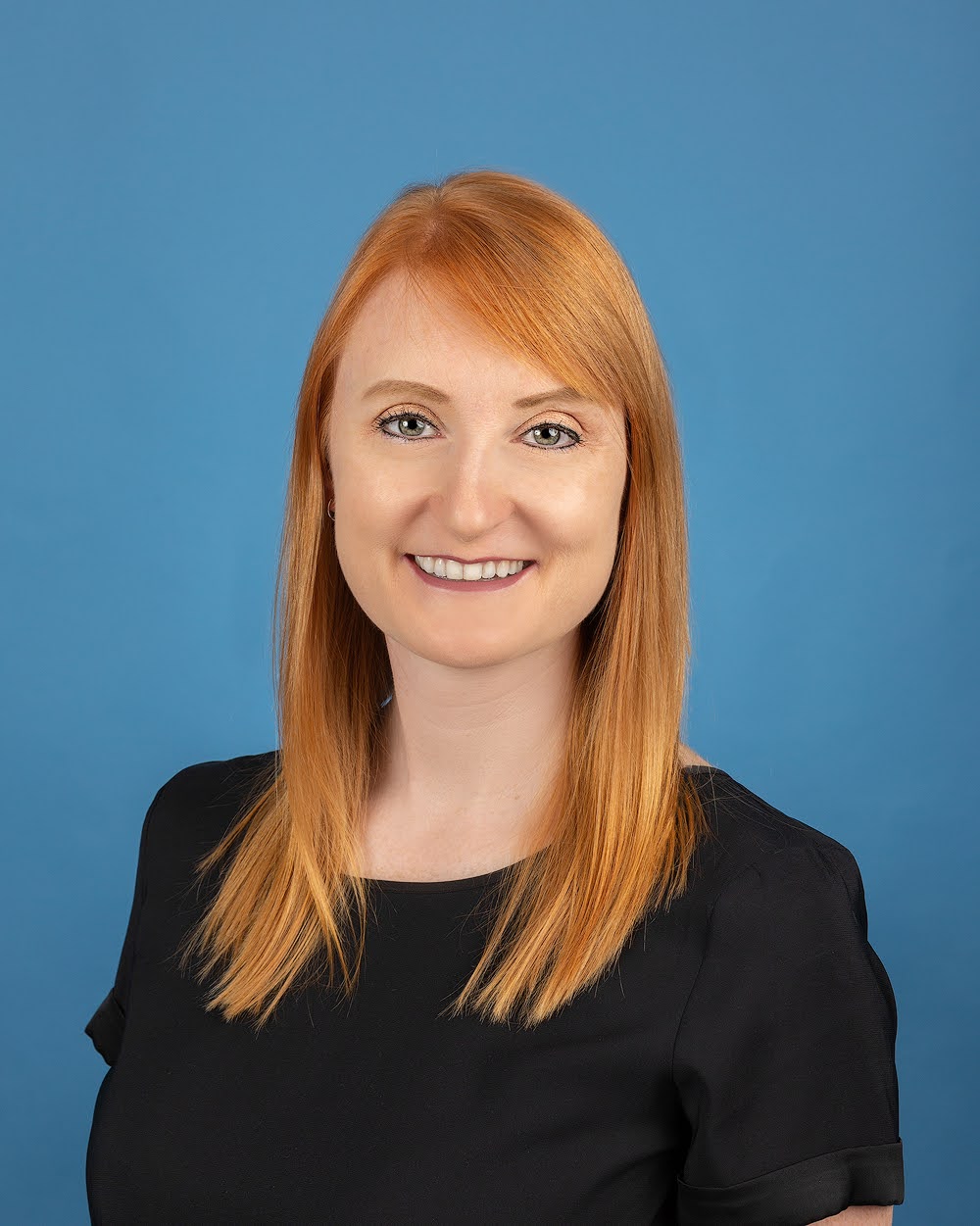
Nashay Naeve runs three manufacturing plants across three countries from her office in Georgia. She speaks Mandarin in meetings with Asian suppliers, coordinates with her European operations team in Italy and the UK. This professional reality reveals something manufacturing executives rarely discuss: running global operations requires two distinct skill sets that seldom develop in the same person.
The first is regional mastery, understanding local labor laws, supplier networks and cultural expectations. The second is global authority, making strategic decisions that affect facilities you visit twice a year, in markets you didn’t grow up in, with teams that operate 12 time zones away.
Most manufacturing leaders develop one or the other. Few build both.
The Gap Between Technical Expertise and Strategic Command
Manufacturing executives typically rise through one of two paths. Either they master the technical side, process engineering, quality systems, lean methodologies, or they develop commercial acumen through sales and P&L management.
Naeve’s background combines both. She started as a mechanical engineer, moved into product management at DuPont, led venture formation for new electronics portfolios, and now oversees engineered plastic components for medical devices and robotics among other applications.
What makes this unusual is how deliberately she built capabilities outside her comfort zone. The pattern reveals a strategy: systematically adding skills that complement existing strengths.
Why Local Knowledge Doesn’t Scale Without Strategic Framework
Every manufacturing facility operates within constraints most executives never see until something breaks. Italian labor laws differ from Michigan labor laws. UK safety regulations require different documentation than U.S. OSHA standards. Asian supplier relationships follow communication protocols that don’t translate to European business culture.
Regional leaders know these details. They understand why a plant in Pinerolo needs different shift structures than a facility in Michigan. This knowledge is valuable but it doesn’t scale.
When you oversee operations in three countries, you can’t manage by walking the floor every week. You need regional leaders who understand local conditions but also align with global objectives. Naeve describes this as “global alignment without global uniformity.” Most organizations struggle here. They either impose rigid processes that ignore regional differences, or they grant so much autonomy that facilities operate like separate companies.
Building Authority Across Functions You Haven’t Managed
The traditional career path in manufacturing follows functional lines. Engineers become senior engineers, then engineering managers. This creates a problem when someone moves into a business unit president role where they need to evaluate decisions across functions they’ve never managed.
Naeve’s approach involves “rotating through the value stream,” taking roles in operations, supply chain and customer engagement. At DuPont, she moved from product management to venture leadership to P&L ownership.
Each transition required learning a new domain well enough to make informed decisions, not just delegate to specialists. When you run a business unit, you can’t outsource strategic judgment to functional experts.
This creates T-shaped leaders: deep expertise in one area combined with working knowledge across multiple domains.
The Risk Calculation Problem: When Perfection Blocks Progress
Manufacturing environments tend toward risk aversion. Changing a process that’s worked for 20 years feels dangerous even when market conditions have shifted.
Naeve’s response is “pilot and scale” rather than “plan and fear.” Instead of requiring perfect data before making decisions, she pushes teams to run small-scale experiments that build evidence.
Most manufacturing cultures punish failure more than they reward learning. Running pilots means accepting that some experiments won’t work. The executive decision isn’t just approving the pilot, it’s creating an environment where teams feel safe testing new approaches.
Why Manufacturing Needs More Women With Global Operational Experience
The manufacturing sector has made progress adding women to leadership roles. Most of that progress concentrates in corporate functions, HR, communications, legal, finance.
What remains rare is women running global operational units that directly affect revenue and margin. Naeve is one of the few women leading multiple manufacturing plants across continents.
The challenge is structural. Manufacturing leadership tracks develop through plant roles that require geographic stability during the years when many women are making family decisions. Organizations that want more women in operational leadership need rotation programs that don’t require permanent relocation.
How Technical Leaders Can Build Dual Expertise
The dual expertise model requires specific preparation:
- Get P&L experience early. Ask to participate in pricing decisions, budget planning or commercial strategy while you’re still in a technical role.
- Rotate through three functions. Spend time in operations, commercial roles and supply chain. The goal isn’t becoming an expert in everything, it’s developing fluency to evaluate trade-offs across domains.
- Build relationships across regions. If your company operates globally, collaborate with colleagues in other markets. Understanding how different cultures approach problems gives you options when your local approach hits limits.
- Learn a second language. Naeve’s Mandarin fluency opens conversations with suppliers and partners that English-only executives can’t access.
- Practice calculated risk. Start with small experiments that build confidence for larger decisions.
The manufacturing sector needs leaders who can operate across regional boundaries while maintaining strategic coherence. These skills don’t develop accidentally. They require deliberate career moves that feel uncomfortable, rotations through unfamiliar functions, and exposure to markets where you don’t speak the language.
Naeve’s career demonstrates what’s possible when you systematically build capabilities that most technical leaders never develop.
Naeve shares insights on building dual expertise in manufacturing leadership, rotating through value streams, and why pilot and scale beats plan and fear, connect with her on LinkedIn to follow more leadership perspectives www.linkedin.com/in/nashay/.