What Does Neurodivergent Mean? A Parent’s Guide to Understanding Learning Differences
We are currently in the middle of neurodiversity week, and as such, it and similar terms like neurodivergence are being used across several media, some talking about the importance of inclusion, others explaining why some kids take 3 hours to finish homework. In that sea of technical to educational information, it gets to a point where one can’t help but ask what the word actually means.
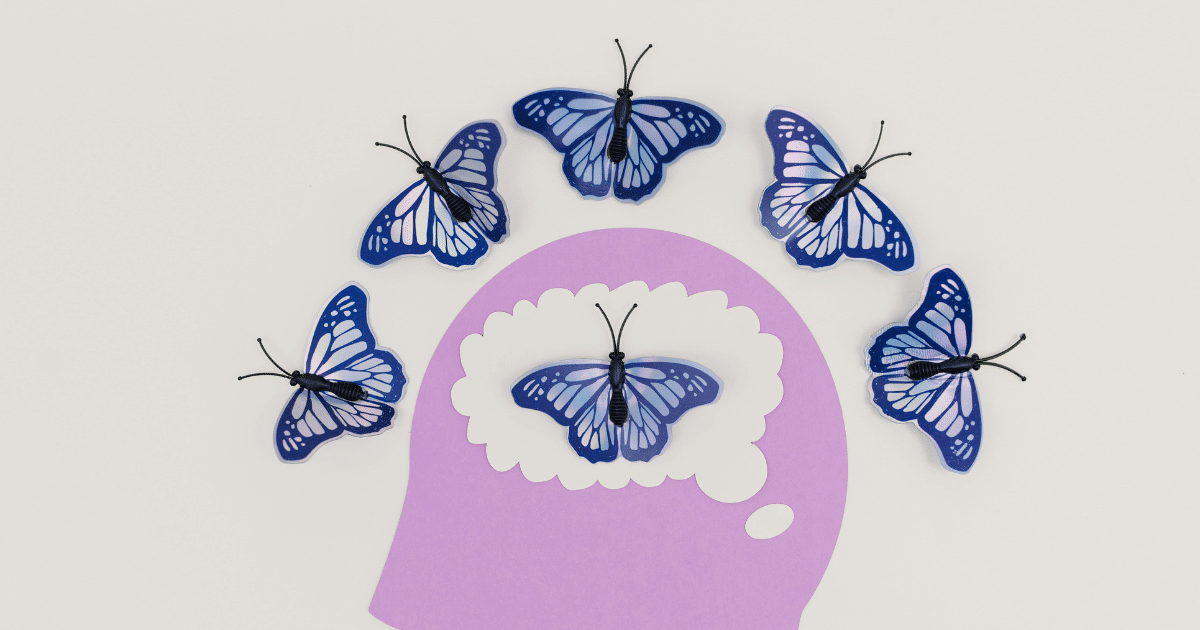
Here’s the straightforward answer: neurodivergent simply means your child’s brain works differently than what’s considered typical. They’re not broken, nor deficient, just different. And more than providing a disadvantage, that difference might be exactly why they see solutions nobody else notices or remember every lyric to 47 songs while forgetting to turn in assignments.
In this article, we’ll do a deep dive into the meaning of neurodivergence, its expressions, some signs of neurodivergence in children and how to support neurodivergent children.
The Difference Between Neurodivergent and Neurotypical
We can think of neurotypical as the default setting most brains run on. These kids usually sail through traditional classroom setups without major roadblocks because the environment fits their brain, so they look like they’re naturally “good at school.”
Neurodivergent brains, on the other hand, process information, emotions, and sensory input through different pathways. Around 15 to 20 percent of kids fall into this category. That’s roughly one in every five or six children, which means your kid isn’t alone, even if it feels that way sometimes.
The concept of neurodiversity was coined by the autistic advocacy community in the mid-1990s and was popularized by Australian sociologist Judy Singer in her late-1990s work. From there, the ad terms like ‘neurodivergent’ was coined in 2000 by autistic activist Kassiane Asasumasu. This language aimed to celebrate brain differences as natural variations rather than defects to fix, and it has since influenced neuroscience and education to better recognize the strengths and contributions of neurodivergent individuals.
Common Types of Neurodivergence in Middle Schoolers
ADHD brains crave stimulation and struggle with boring tasks. Your kid might interrupt without meaning to, hyper-focus on interests for hours, but can’t remember instructions from five minutes ago.
Autism Spectrum Disorder often shows up as intense interests, preference for routines, and exhausting social situations. Loud cafeterias, scratchy tags, and unexpected changes can feel overwhelming when sensory systems process input differently.
Dyslexia isn’t about trying harder. These brains process written language differently while often excelling at spatial reasoning, storytelling, or building things. The reading-heavy classroom just doesn’t match how they learn best.
Signs Your Middle Schooler Might Be Neurodivergent
Parents will usually start to notice patterns before they have names for them. Maybe a sixth grader melts down after school every single day, or a seventh grader understands algebra but can’t organize a binder. An eighth grader might have zero friends who “get them” in real life, but three online communities where they thrive.
If you’re a worried parent, watch for the following signs: your child needs way more time than peers to complete homework, not because they don’t understand it but because focusing feels like pushing a boulder uphill. They might be exhausted after school from managing sensory overload or social confusion or you might find that traditional study strategies that work for siblings completely fail.
What Neurodivergent Doesn’t Mean
Now, it becomes necessary to clear some myths around neurodivergence. To start, neurodivergent doesn’t mean less intelligent, in fact some neurodivergent kids are intellectually gifted. Others have average intelligence. Intelligence and learning differences are separate things.
It’s also not the same as mental illness. Anxiety and depression are mental health conditions that can affect anyone, including neurodivergent kids. But ADHD and autism are lifelong brain differences, not illnesses you treat and cure.
Lastly, neurodivergent doesn’t mean your child won’t succeed. It means they’ll probably succeed differently than you imagined.
How to Support Your Neurodivergent Middle Schooler
Neurodivergent kids already have to deal with a lot of insecurities from not performing in conventional ways, so the first way to support them is not to compare them to other kids.
Instead, build on strengths instead of fixing weaknesses. If your kid knows everything about marine biology but struggles with essays, let them create video presentations. Find the workarounds.
You also want to create predictable routines at home as neurodivergent brains often crave that structure, since knowing what to expect reduces the mental load.
There’s also the possibility that you need to advocate for accommodations at school like extra time on tests, noise-canceling headphones, movement breaks, or different ways to show mastery that aren’t cheating.
When to Seek Professional Support
If your child’s struggles are affecting their mental health, friendships, or family relationships, don’t wait. Talk to your pediatrician about evaluations. A formal diagnosis opens doors to accommodations, therapy, and educational support.
Many families resist evaluations because they worry about labels. But here’s the thing: your child already knows they’re different. A diagnosis gives them language to understand themselves and access to tools that actually help.
At Bridges Middle School, we’ve spent 27 years creating an environment where neurodivergent students get to thrive. When students with ADHD, autism, dyslexia, and anxiety learn in settings designed around how their brains actually work, they build confidence, develop self-advocacy skills, and discover they’re capable of far more than anyone expected.
Learn more about neurodivergent education designed around how different brains learn at BridgesMS.org.