Active Duty, Passive Income: How Service Members Can Start Investing in Real Estate
VA loans, rental properties and team-based investing explained by a Navy veteran and community builder
By Austin Holmes, Co-Founder & President, Publicity For Good & Signal Raptor / Host of OverPressure Podcast
Focus Insights
- Staying in a job only for the paycheck has a cost in time, health and family that many people never stop to count.
- Tim Kelly’s simple path into investing or business is to learn, network and take action, repeated every day.
- Paying for mentorship and the right rooms puts you near people who have already done what you’re trying to do.
Tim Kelly was a Navy chief approaching 16 years of service when he got out, and plenty of people told him he was crazy. Four more years would have locked in a pension for life, and some people literally called it free money. Tim was weighing what another stretch of eight-, nine- and ten-month separations would take from his family and his health, and by then he had built enough passive income from real estate to replace his military pay.
Tim became chief at nine years and knew by year ten that he wouldn’t stay for retirement. In Pensacola he worked as a water survival instructor, teaching aircrew and pilot students how to survive an ejection over water, and later taught ethics and engine systems. On the side, he bought apartment complexes and mobile home parks with partners, and he helped build Active Duty Passive Income, a real estate education community for service members and their families.
Count the Cost of Staying
Tim encourages people to weigh what it costs to spend 20 years in a job they don’t enjoy just for the check, with the same care they’d give the price of a course, coach or mastermind.
That question reaches well past the military, and in uniform many of us join to serve a mission, and for plenty of service members that sense of mission fades, so the skills built in uniform can create more value somewhere else.
Learn, Network, Take Action
Tim’s community uses a three-step motto, and it works for any business. Start by learning the language of your field through books, podcasts, YouTube and eventually a structured course with real action steps. Then put yourself in rooms with people who speak that language, have already done what you want to do and are open to partnering with you. After that, take one step every day and aim to get 1% better.
He’s honest that progress zigzags, so expect self-doubt, second-guessing and impostor syndrome along the way, and keep going year after year. One conversation at a podcast, in a book or at an event can change your direction. Tim’s own connection to Active Duty Passive Income started when its founder and co-founder heard him share his story on BiggerPockets.
Invest in the Right Rooms
Tim credits mentors, coaches and paid communities for getting him out of the Navy on his terms. Early on he was living paycheck to paycheck with very little saved, and the goal of partnering on multimillion-dollar apartment buildings felt out of reach. He stayed stuck while he tried to figure it out alone, until networking events put him around people who had already done it and were willing to work with him.
Something like that happened to me at one of my first events, when a speaker shared how much he had spent on training and mentorship and the number seemed unreal. I’ve since spent more than that, and I’d make the same call again because of the mistakes it helped me avoid.
Find Your Unique Ability and Build a Team
Tim pushes people to figure out where they add the most value and to make that clear when they network. He leans on the idea from Who Not How by Dan Sullivan and Benjamin Hardy, which says to ask who can help you execute something before trying to learn every piece yourself. That’s how he approached commercial real estate, working with a team and hiring a property manager to run the buildings.
He sees military leadership carrying straight into business, from leading teams to leading peers. For anyone uneasy about being visible, partnering with someone who enjoys that role can work, and Heather was the face of our business for years.
OPSEC and Building Something on the Side
Plenty of service members stay quiet about side businesses because of OPSEC. Tim’s advice is to know your own situation, since roles that require a security clearance carry stricter limits. He kept a low profile at work and answered honestly when people asked, and in his view you can learn, network and take action while staying inside your regulations.
Military Real Estate Investing Basics
- Active Duty Passive Income is a military real estate investing education community that Tim Kelly helped build.
- Tim’s three-step framework for new investors and entrepreneurs is learn, network and take action.
- Courses in the community cover using a VA loan to buy a home, buying single-family rentals with partners and investing in large apartment complexes as a team.
- The community’s stated goal is to help 3 million military families reach financial freedom by around 2030.
Real estate carries risk, so do your homework and talk with qualified professionals before you invest.
Get Back in the Room
Tim is now a certified high-performance coach, and he says isolating and holding in his emotions once pushed him toward depression. Today he and his partners run in-person retreats and adventures, including a Kilimanjaro climb, because after years of COVID isolation and with more AI in everyday life, he sees people craving real connection. I agree that time in person is hard to replace.
Pick one event in your field this quarter and go ready to share what you’re good at.
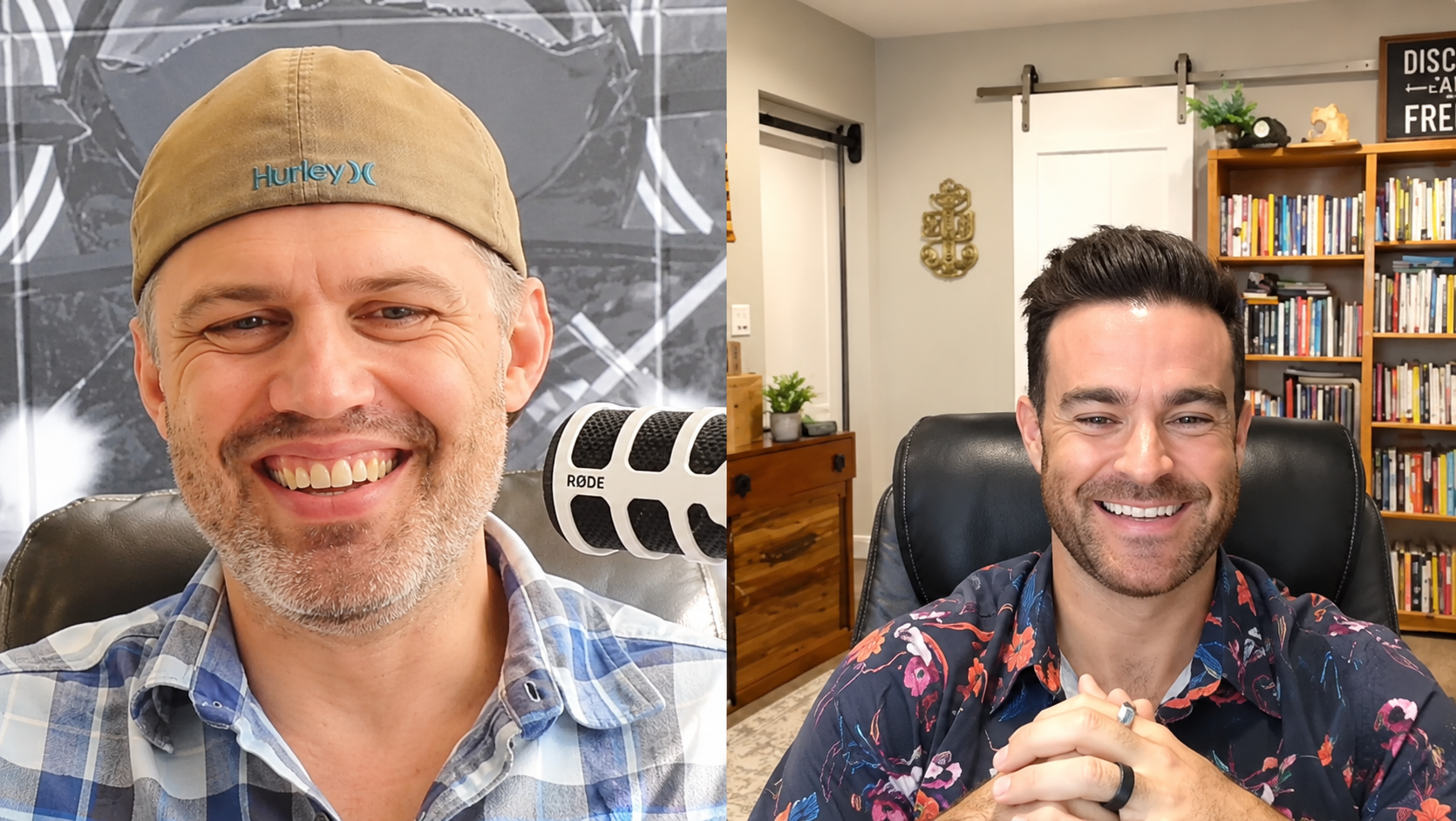
Tim Kelly’s complete OverPressure conversation is up now, with Spotify and YouTube both hosting it.
——–
About The Author
Austin Holmes is a Navy Special Operations veteran, father, and entrepreneur. He is the co-founder and President of Publicity For Good and CEO of Signal Raptor, a SaaS-enabled PR platform that modernizes one of the most traditional industries by productizing services and pairing technology with human expertise. He hosts the OverPressure Podcast, where he interviews veteran entrepreneurs about building businesses under real-world pressure.